The village of Proffit was one of dozens of African American communities that sprang up around Albemarle County in the years after the Civil War. The people who lived on the farms that became Hollymead and Forest Lakes interacted and identified closely with Proffit. They had Proffit mailing addresses and received shipments at the Proffit train station. Real estate records from the late nineteenth and early twentieth centuries often describe property locations in relation to Proffit.
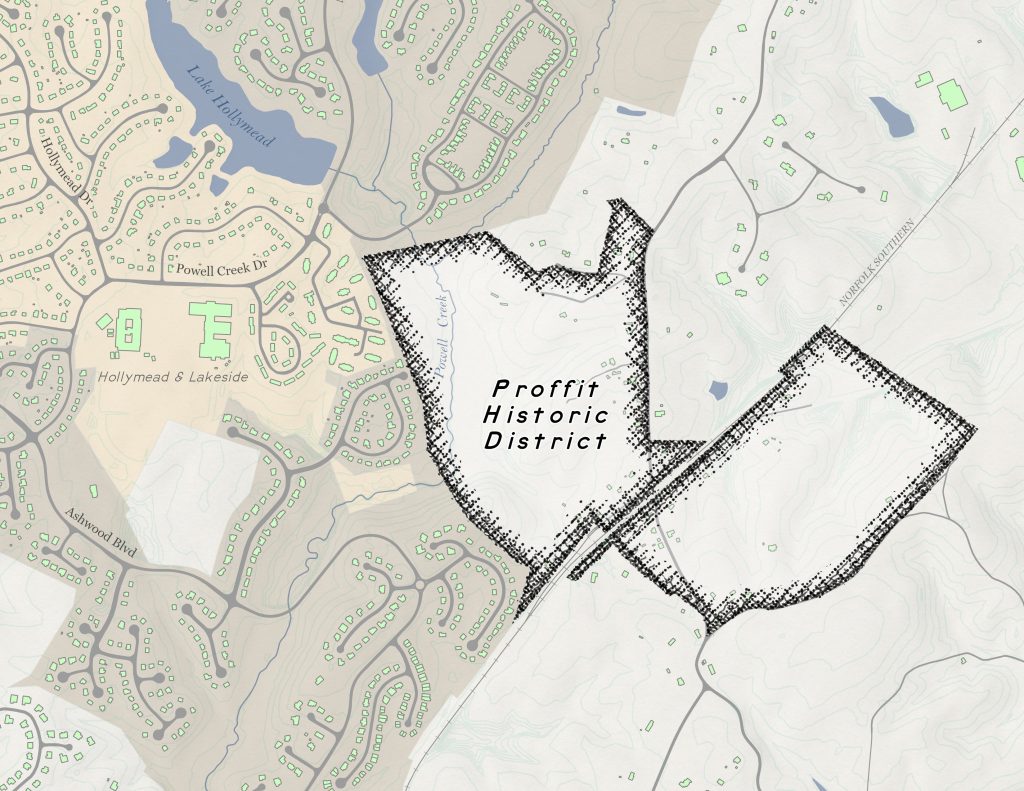
The community began in 1871 when William Carr, living at Bentivar, traded around 30 acres of land to two former slaves named John Coles and Ben Brown. In return, the sons of Coles and Brown worked on Carr’s farm.
In 1878 Ben Brown’s son, Ned Brown, bought another 75 acres from Carr and began selling portions of the land to others in the community. One of the first parcels Brown sold was to a white farmer from Milton named James Proffit. When the railroad was built around 1880 the village gained a train depot and a post office called Proffit.
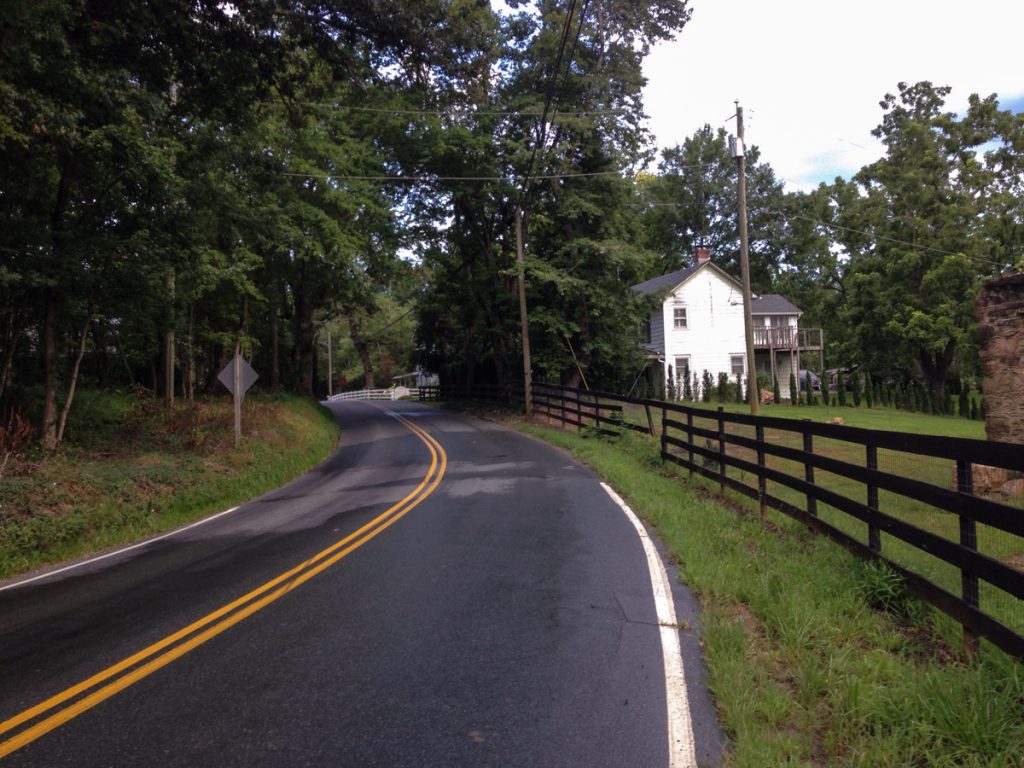
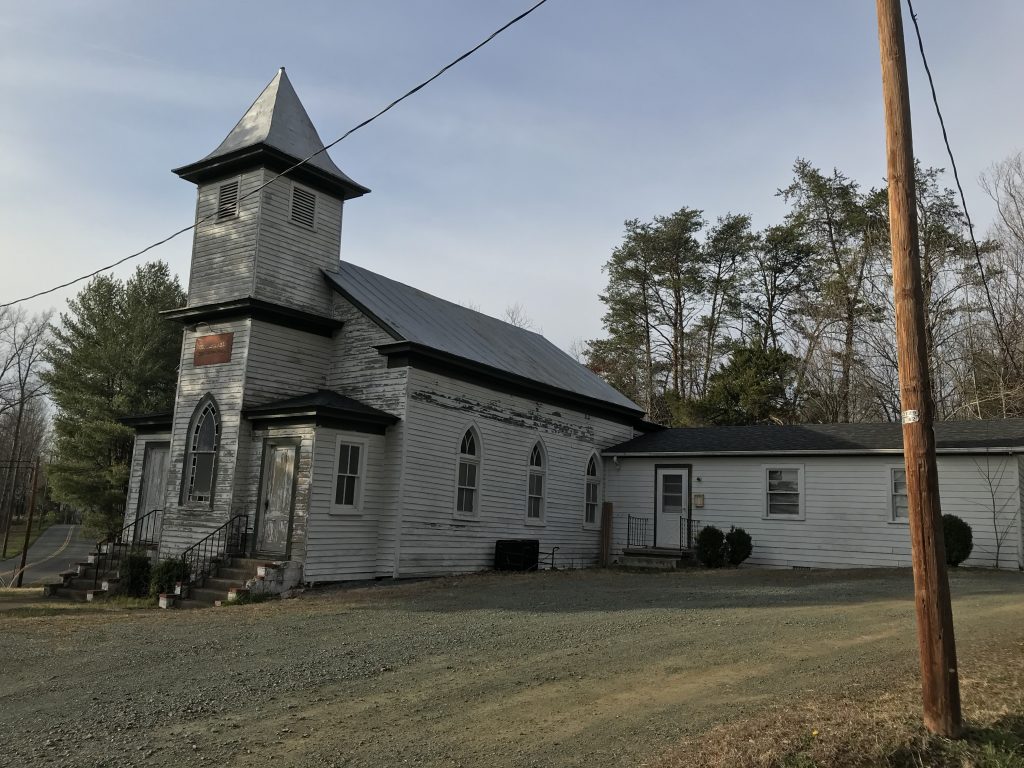
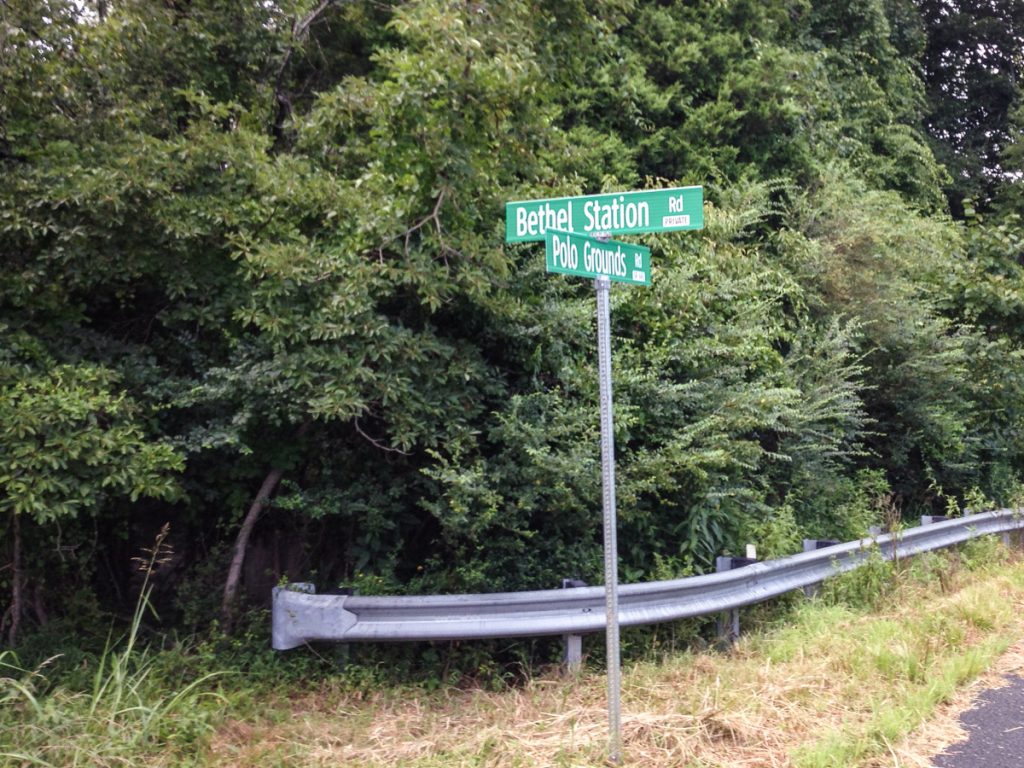
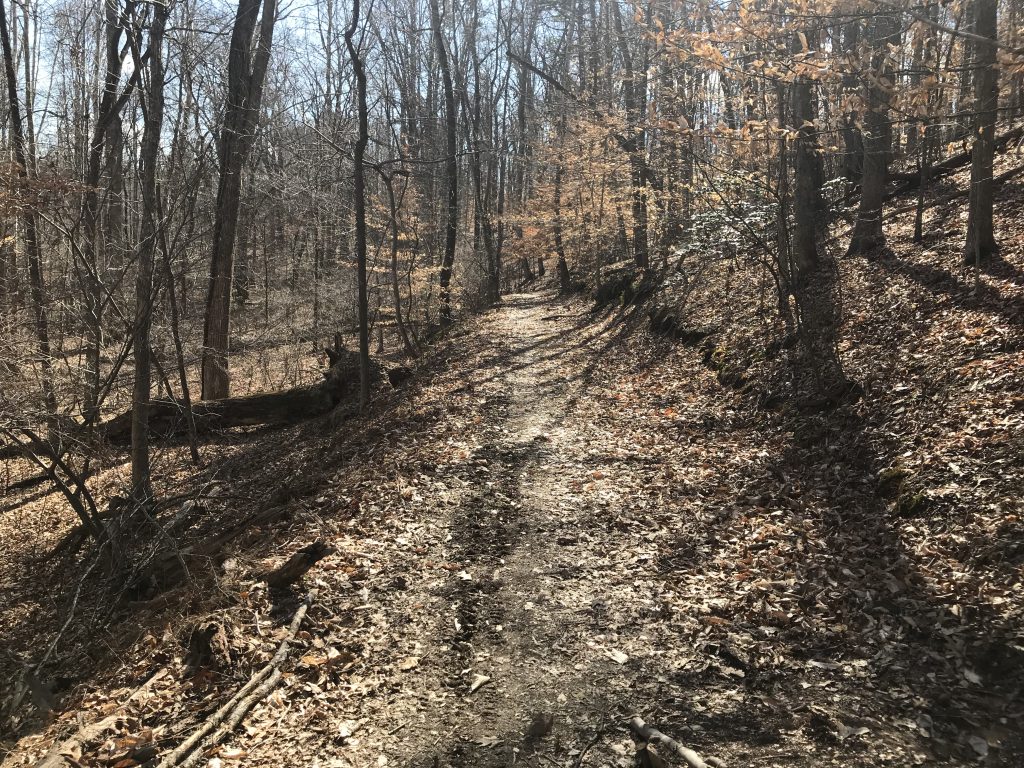
Prior to being named Proffit, the village was known as Bethel. One visible reminder of this name is Bethel Station Road.Originally the road served as a shortcut between Polo Grounds Road and the Proffit (Bethel) train station. It generally followed the path of Ashwood Boulevard in Forest Lakes South.
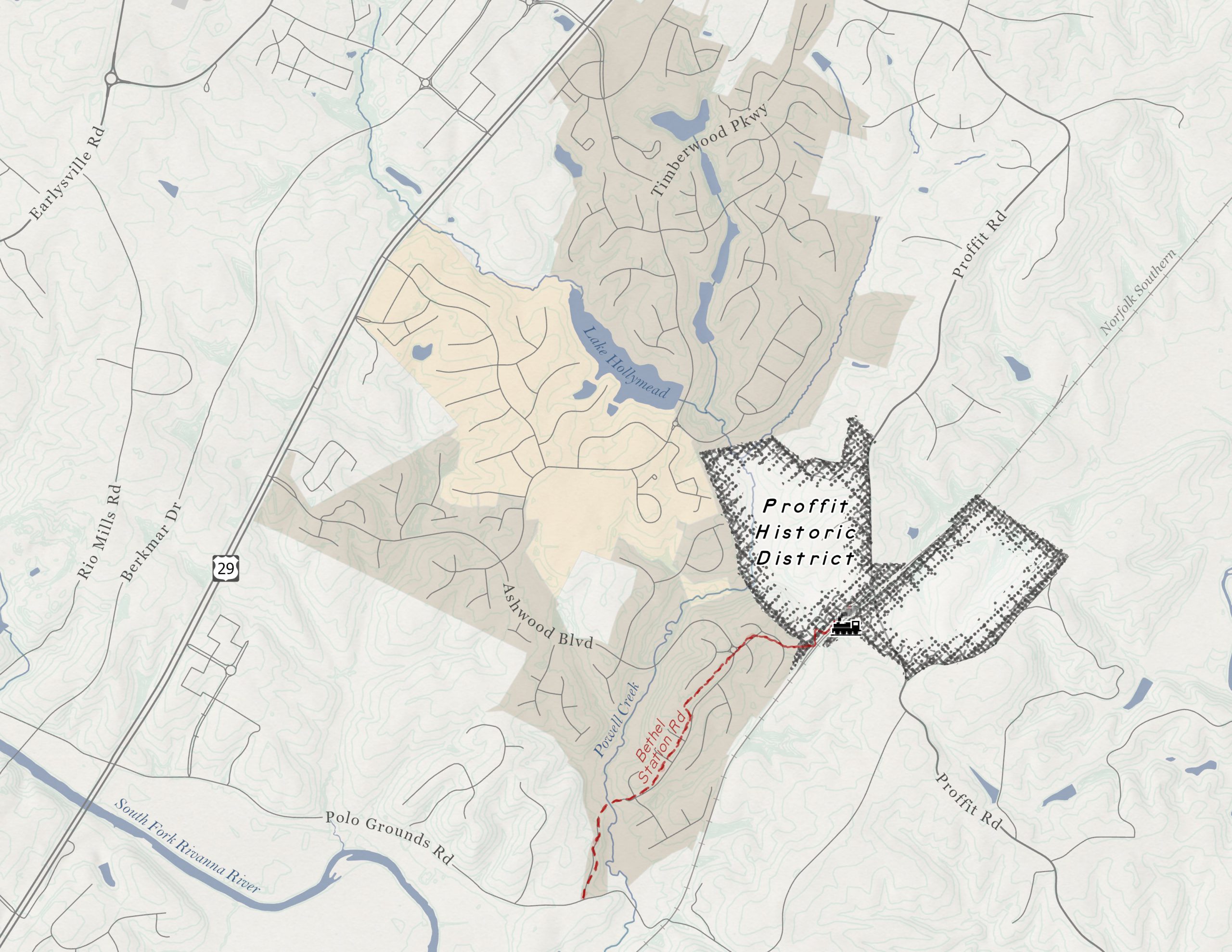
Today the portion of the road that remains is closed to traffic and functions as a walking and biking path.
Elizabeth Runk Kayan owned the Hollymead farm (originally owned by the McLeods and Jeffries) in the 1930s and 1940s. Her diaries are available in the UVA Special Collections Library and they record life on the farm in that era.
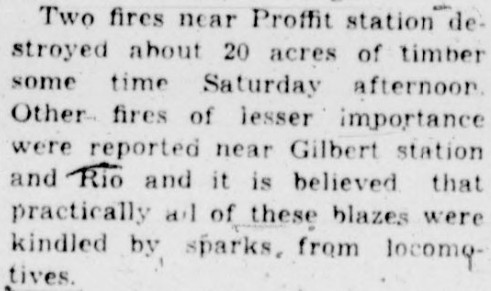
Entries from 1942 detail how residents of Proffit were employed working on her farm, and reference helping to fight a large fire at Proffit in April 1942.
The Proffit Historic District Resource Archive contains the oral histories of several Proffit residents. In an interview with Marion (Coles) Martin she recalls working as a child on the farm of L.R. Summerville, whose property encompassed part of Forest Lakes South in the early 1940s.
“…and then there was another farm up there—somebody named Summerville…he had a big farm up there. As children we used to go up there and thin his corn for 10 cents an hour….it was big money to us! With 10 cents you could [sic] Popsicles, you’d go to town on the train….we’d get up there about six o’clock in the morning. By eleven o’clock there’d be maybe three or four of us and we would go down those rows thinning that corn. You know, the corn would come up three-four-five plans [sic] in a hill…and you’d have to thin it down to one, so we’d just pull it up and drop it on the ground. Things were done manually then.”
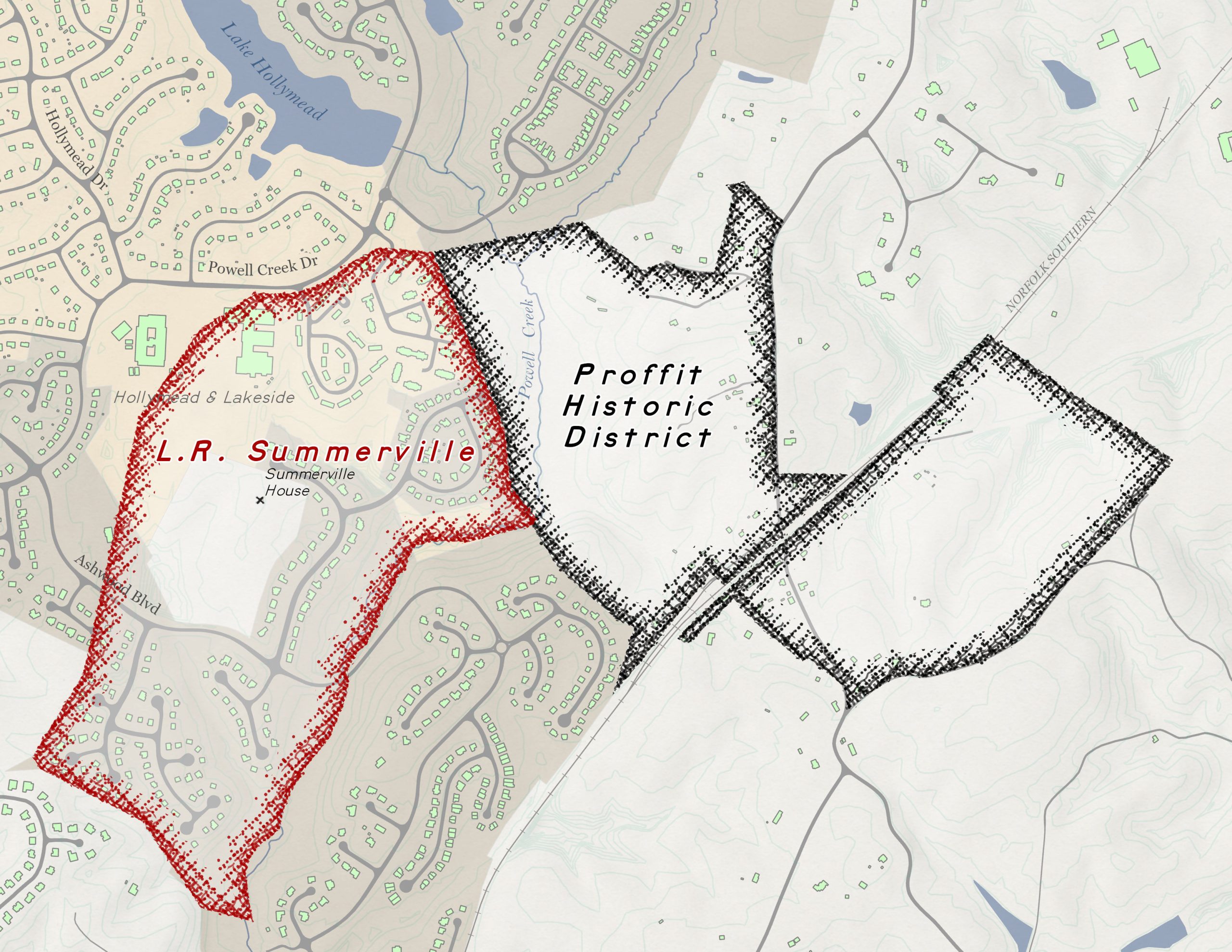
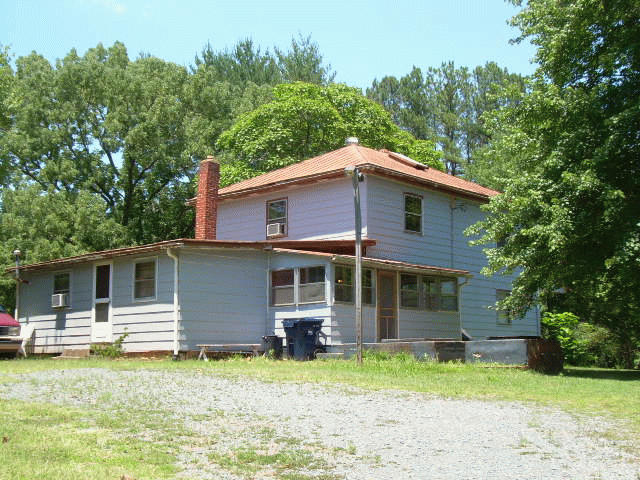
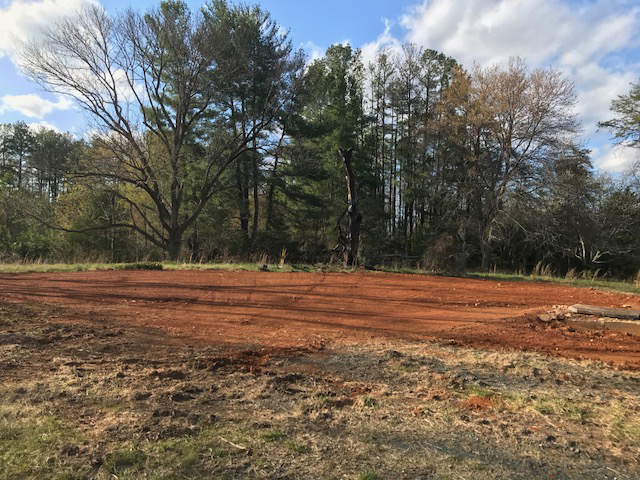
The Summerville house was still standing up until 2016 when it burned down.
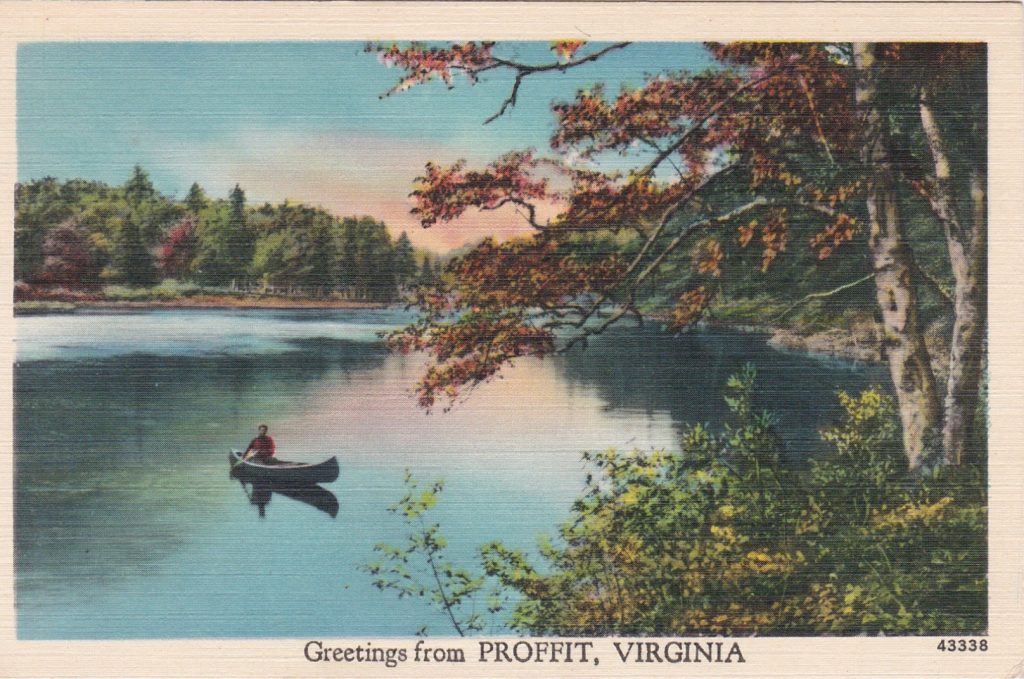
This postcard was originally sold in 1948 to travelers passing through Proffit on a trip from Washington D.C. Although the picture on this card is generic and was used for post cards from other locations, it shows that Proffit was an active community with a defined identify.
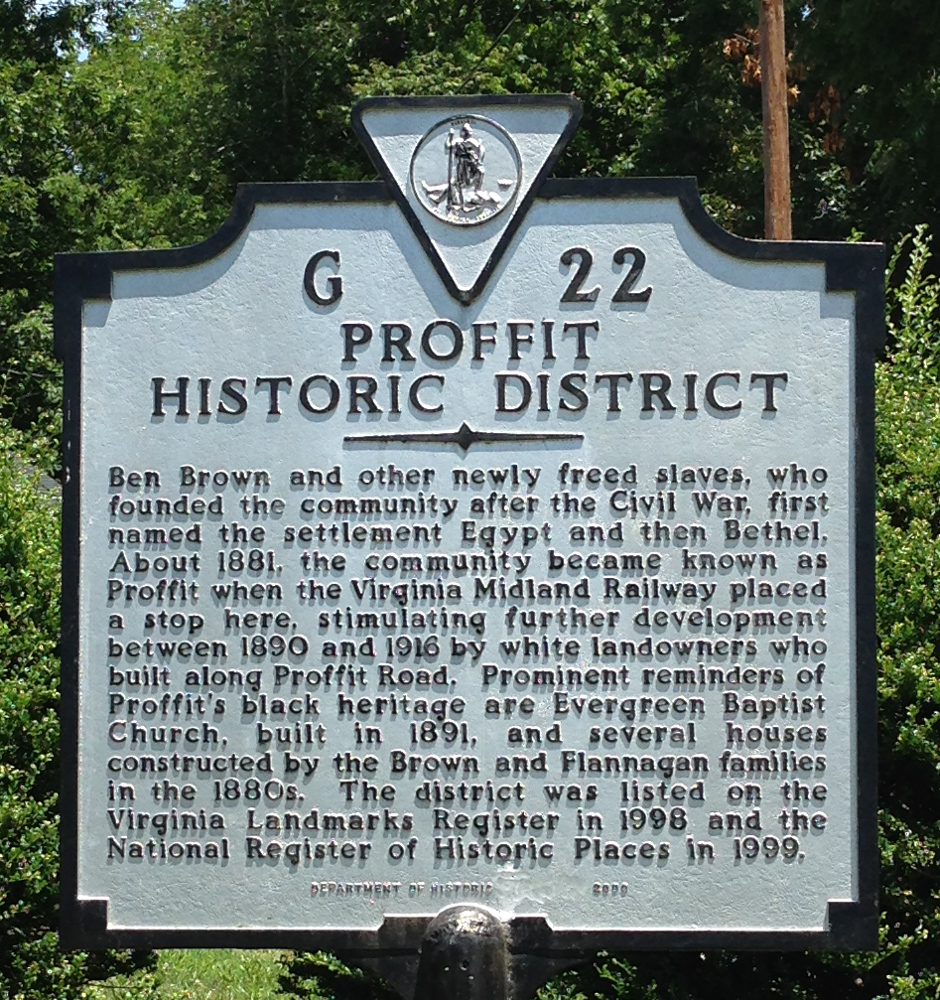
In 1999 Proffit was added to the National Register of Historic Places.
The history of Proffit is well documented in the Proffit Historic District Online Resource Archive, Nomination form for the National Register of Historic Places, and Historic Architectural Survey of Albemarle County Villages.